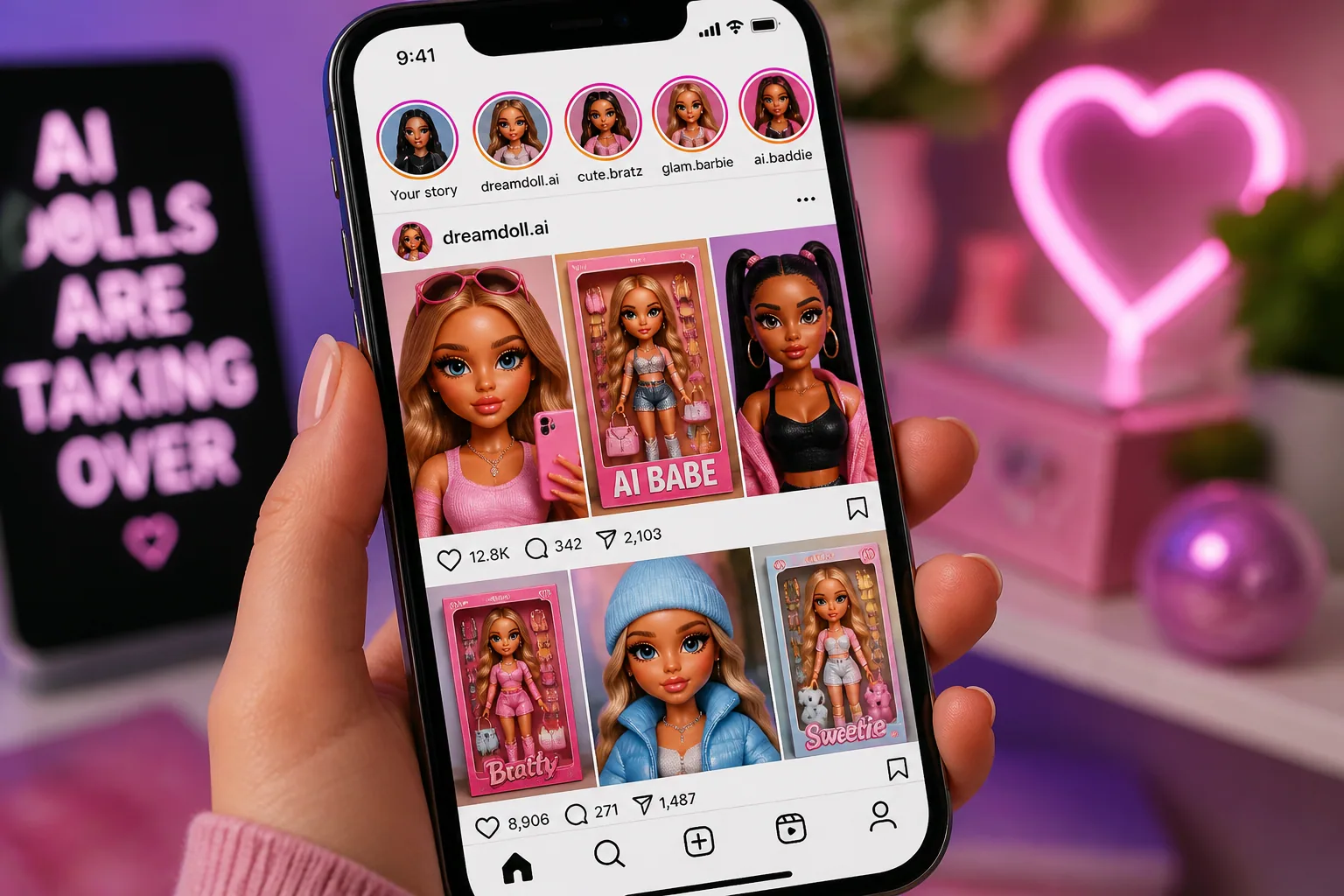
Why Everyone’s Talking About Doll Avatars: The Viral Trend Taking Over Your Feed
If it feels like every other profile picture on TikTok, Instagram, or Discord has suddenly turned into a glossy, collectible-looking portrait, you are not imagining it. Doll avatars have become one of the most recognizable visual trends of 2026, and they are spreading fast because they are instantly readable, highly stylized, and strangely hard to scroll past. The look blends toy-like rendering, soft lighting, oversized eyes, polished skin, and playful fashion into a portrait style that feels part beauty shot, part digital collectible, part character design.
What makes the trend so effective is that it sits right at the intersection of self-expression and visual performance. People are not just posting a face. They are posting a miniature version of identity that feels curated, aspirational, and fun. In crowded feeds, that matters. The doll avatar is not subtle, but it is memorable, and that is exactly why it is everywhere.
What Is a Doll Avatar and Why Does It Look So Addictive?
A doll avatar is a stylized portrait designed to make the subject look like an ultra-polished collectible figure or fashion doll. The style usually combines glossy skin, symmetrical facial proportions, big expressive eyes, soft or dreamy lighting, and details that make the image feel touched up without looking overly airbrushed. The result is a portrait that reads immediately as “avatar” rather than ordinary selfie, which is part of the appeal.
The addictive quality comes from how familiar and aspirational it feels at the same time. It borrows from beauty photography, toy packaging, fantasy illustration, and the visual language of influencer branding. That mix creates instant fascination. You recognize a real person, but you also see an elevated version of them that feels playful and deliberately designed.
TrendAvatar notes that the 3D figurine avatar style is one of 2026’s dominant looks, especially for small profile images where it reads instantly as a personal, playful collectible figure. It is also closely tied to the broader move toward soft, polished, “effortlessly refined” profile aesthetics, including Korean-style profile pictures that are crossing into Western social media. Source: https://trendavatar.app/blog/ai-avatar-trends-2026
The Signature Features of the 2026 Doll Avatar Style
The doll avatar look has a few recurring visual signatures that make it easy to spot. The first is the skin: smooth, luminous, and often described as glassy or poreless. Rather than emphasizing realism, the style pushes a soft, idealized finish that feels almost porcelain-like. The second is the face structure, which tends to be symmetrical with large eyes and refined features that create a classic doll effect.
Soft lighting is another defining feature. Harsh shadows and naturalistic contrast are usually replaced with a glow that makes the portrait feel dreamy and controlled. Colors tend to be saturated but gentle, with pastel tones, blush-heavy makeup, and Y2K-inspired styling making frequent appearances. This lines up with wider 2026 beauty trends such as cloud-skin, which favors a softer glow over aggressive shine, and baby-doll-inspired makeup looks. Sources: https://www.whowhatwear.com/beauty/makeup/makeup-trends-2026 and https://www.whowhatwear.com/beauty/fragrance/baby-doll-fall-beauty-trend
Fashion also matters. Doll avatars often feature playful outfits, bows, statement accessories, polished hair, and a kind of “mini runway” energy. The entire image is designed to feel like a character reveal. That is why the style performs so well in tiny profile image spaces, where strong shapes and bold styling matter more than subtle detail.
The most successful versions of the trend also feel inclusive. As avatar culture has matured, there has been stronger demand for more diverse skin tones, facial features, body types, and gender expression. That shift matters because it moves doll avatars away from one narrow beauty template and toward a more personalized visual language.
How TikTok, Instagram, and Discord Made the Trend Explode
TikTok is usually where these aesthetics go viral first. The platform rewards transformations, reveals, and side-by-side comparisons, all of which are perfect for doll avatar content. A before-and-after format creates immediate visual surprise, and that surprise keeps people watching. Once a few creators showcase the look, the algorithm does the rest.
Instagram helps the trend harden into identity. On Instagram, the avatar becomes part of the profile’s overall visual identity, not just a one-off post. That makes the doll avatar feel more branded, more intentional, and more like a polished extension of the user. Discord, meanwhile, is ideal for the style because small circular profile images benefit from strong contrast and instantly readable features. A doll avatar can stand out in a crowded server almost at a glance.
That multi-platform spread is important. TikTok gives the trend momentum, Instagram gives it aesthetic legitimacy, and Discord gives it everyday utility. Together, they turn a visual gimmick into a common online identity marker.
Some trend trackers report multi-billion view totals across doll avatar and related style tags, though the exact numbers vary by platform and tool. The bigger point is that the trend is built for viral circulation: it is immediately legible, highly shareable, and easy for people to recreate in their own image ecosystem. Source: https://www.avatardoll.online/blog/styles/doll-avatar-trend-2026
Why Doll Avatars Feel So Shareable, Personal, and Fun
Doll avatars work because they are both public and personal. They are clearly meant to be seen, yet they still feel like a self-portrait. That balance makes them ideal for sharing. People enjoy showing off a version of themselves that feels elevated, stylized, and a little bit playful without seeming too serious.
There is also a built-in emotional effect. A doll avatar gives a person a digital alter ego, which can make posting feel more like creative play than self-exposure. For many users, that lowers the pressure of being photographed “naturally” while still allowing them to participate in online identity culture. In a feed full of polished content, the doll avatar feels like a way to keep up without needing to look conventional or overly real.
This is where psychology enters the picture. The Proteus effect suggests that avatar appearance can influence behavior and how others perceive you online. In other words, what your avatar looks like is not just decoration. It can shape the social signal you send. Doll avatars capitalize on that by creating a version of self that feels more confident, more visible, and more intentional. Source: https://en.wikipedia.org/wiki/Proteus_effect
LiveMint’s discussion of avatar digital-doubles makes a similar point, noting that self-representation online often signals a desire to be part of a social conversation, express oneself, and be talked about. That helps explain why doll avatars spread so quickly: they are not only attractive images, they are social currency. Source: https://www.livemint.com/opinion/columns/ai-tools-brands-ghibli-drama-avatars-canva-self-branding-midjourney-lensa-gen-z-lego-iim-trends-self-branding-digital-11746703134566.html
How Content Creators Are Using Doll Avatars for Profile Branding
For creators, doll avatars are more than a trend. They are a branding tool. A strong profile image can function like a thumbnail for the entire personal brand, especially when the creator is competing in a visually overloaded space. Doll avatars help by making the account instantly recognizable, emotionally polished, and easy to remember.
Many creators use the style to create a miniature portfolio effect. The profile photo becomes a visual statement about taste, niche, and personality. A doll avatar can signal glamour, playfulness, fashion sensibility, or even a more futuristic creative identity, depending on how it is styled. That makes it especially useful for influencers, artists, streamers, and anyone trying to shape a distinct online presence.
TrendAvatar describes users using avatar styling in branding and profile pictures as scroll-stopping visuals with collectible toy energy and playful fashion. That framing captures the core value of the trend for creators: it is not just about looking cute, it is about looking memorable in a way that supports discoverability and brand cohesion. Source: https://trendavatar.app/blog/ai-avatar-trends-2026
If you are a creator who wants to test the aesthetic without committing to a full redesign, a tool like Selfie AI: AI Photo Generator can help you explore the look quickly. You can create stylized portraits from your selfies, try different fashion-forward variations, and see which version fits your public image best: https://findthe.app/selfie-ai-0xi7wd
How to Get the Doll Avatar Look Without Going Overboard
The best doll avatars are stylized, not chaotic. The trick is to keep the portrait polished and intentional so it feels like a designed identity rather than a random filter. Start with a clear base image or prompt that emphasizes soft lighting, balanced facial proportions, smooth skin texture, and expressive eyes. Then add one or two strong styling cues, such as pastel clothing, glossy makeup, or toy-like rendering, instead of stuffing every possible trend into one image.
Think in terms of cohesion. If the outfit is loud, keep the background simple. If the makeup is bold, let the facial features stay clean and symmetrical. If the image has a dreamy, collectible quality, avoid cluttered props that pull attention away from the face. The best doll avatars feel like a character concept with a clear point of view.
It also helps to tailor the look to the platform. On Discord, stronger contrast and cleaner shapes are usually better because the image appears very small. On Instagram, you can lean more into fashion detail and soft editorial polish. On TikTok, the transformation process can be part of the appeal, so the final image should feel dramatic enough to reward the reveal.
The broader lesson is that the trend works best when it enhances your existing identity rather than replacing it. A doll avatar should feel like your visual signature, not a costume that swallows the person underneath.
Common Mistakes That Make Doll Avatars Feel Gimmicky
One of the biggest mistakes is overloading the image. Too many colors, too much shine, too many accessories, or too many visual effects can make the portrait look synthetic in a bad way. The doll avatar style already has a high-impact aesthetic, so adding more does not always help. It can quickly become noisy.
Another common issue is losing personality. If the face becomes so generic that it could belong to anyone, the avatar stops feeling like a self-representation and starts feeling like a stock image. The strongest versions preserve a sense of individuality even while pushing the stylization.
A third mistake is mistaking trendiness for polish. Just because the doll avatar style is viral does not mean every version looks good. The most convincing portraits have strong composition, consistent lighting, and a clear sense of editorial intent. Without that, the image can feel gimmicky, overprocessed, or disposable.
Finally, authenticity matters. If the avatar is too detached from your actual vibe, followers can sense the disconnect. The trend is playful, but it still works best when it reflects something real about your taste, your personality, or the image you want to project.
What This Trend Reveals About Digital Identity in 2026
Doll avatars are not just a fashion moment. They are a sign of how digital identity is changing. In 2026, people are increasingly treating profile images as designed assets rather than simple photographs. That shift reflects a bigger cultural change: online identity is becoming more curated, more symbolic, and more flexible.
LiveMint points out that avatar appearances are being used to articulate personality and build visibility in crowded digital spaces. That is a strong description of the current moment. In feeds full of endless content, people want visuals that do more than show what they look like. They want visuals that communicate who they are, what they like, and how they want to be perceived. Source: https://www.livemint.com/opinion/columns/ai-tools-brands-ghibli-drama-avatars-canva-self-branding-midjourney-lensa-gen-z-lego-iim-trends-self-branding-digital-11746703134566.html
That is also why inclusivity is becoming more important. As more users adopt stylized avatars, they expect tools and trends to reflect a broader range of identities. The doll avatar trend is adapting by becoming less uniform and more customizable, which is a sign that digital self-presentation is maturing. People do not just want to look pretty. They want to look like themselves, only translated into a more expressive visual language.
In that sense, doll avatars are part of a larger movement toward identity design. They show how social media is moving away from raw documentation and toward edited, symbolic, and highly intentional representation.
Will Doll Avatars Last or Fade Like Every Other Viral Aesthetic?
Some versions of the trend will definitely fade. That is what viral aesthetics do. The exact styling choices, color palettes, and rendering effects may change once the feed moves on. But the underlying behavior behind the trend is likely to stay. People will keep wanting profile images that are expressive, shareable, and easy to recognize at a glance.
That means doll avatars may evolve rather than disappear. The specific look might soften, become more editorial, or merge with other visual trends like cloud-skin, soft luxury, or more realistic AI portrait styles. But the core idea, a stylized digital self that feels collectible, polished, and socially legible, is not going away anytime soon.
The safest prediction is that doll avatars will continue to influence how people think about profile pictures, even if the term itself shifts. The aesthetic has already proven that users want more than a plain headshot. They want a tiny visual story that can travel across platforms and still feel like them.
So whether you see it as a beauty trend, a branding tactic, or a new form of digital self-expression, the doll avatar is more than a passing gimmick. It is a sign that online identity in 2026 is becoming more designed, more playful, and more visually strategic than ever.