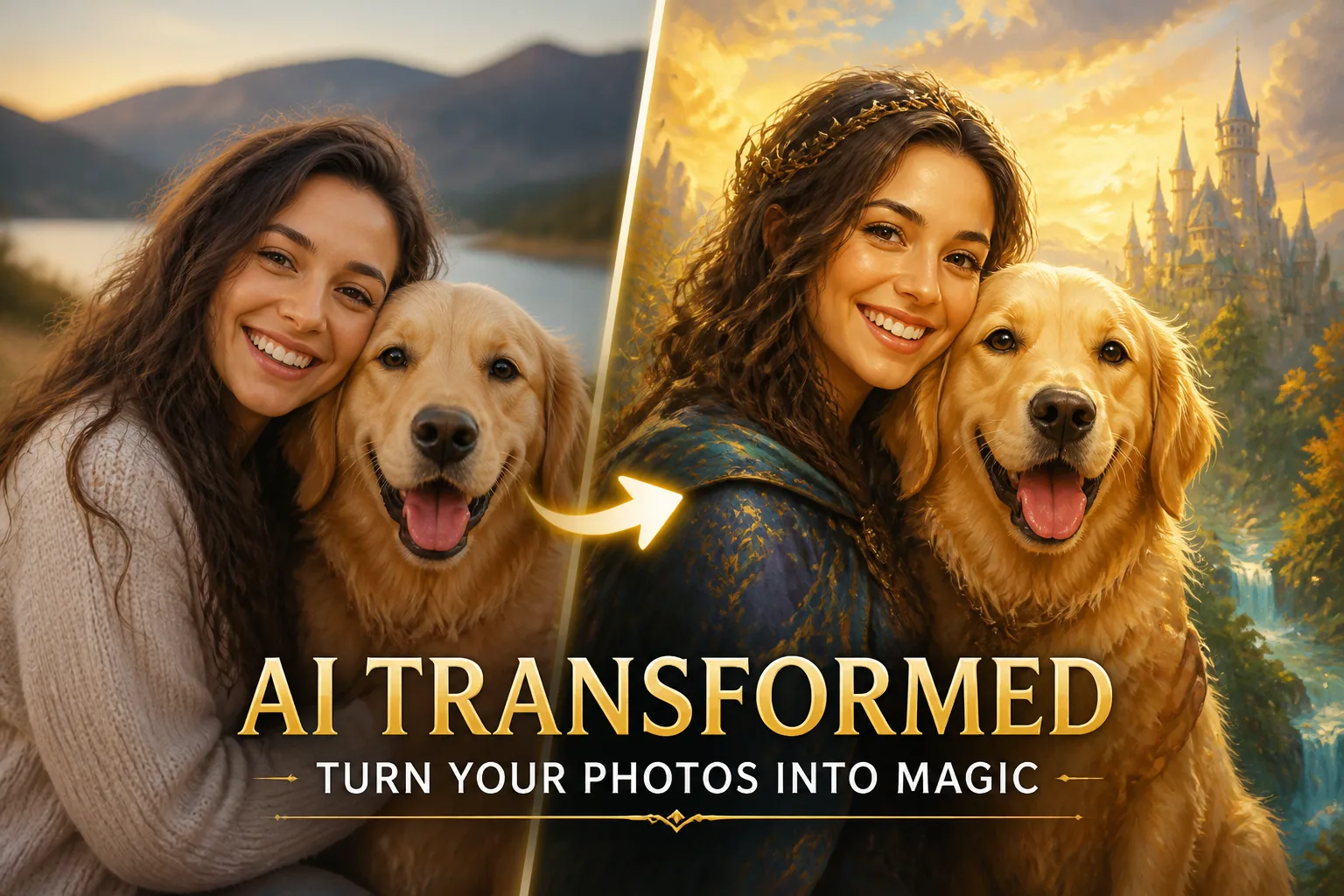
How AI Selfies + Pets Reimagined Can Capture Hearts and Scrolls
AI-generated pet portraits and human-pet duo art are having a real moment, and the reason is simple: they combine novelty with emotion. A good portrait can make people laugh, feel seen, or instantly want to share a beloved pet with the world. Since late 2024, these images have surged again, with sharper execution and more emotionally resonant styles performing better than generic AI art in engagement, dwell time, and retention, according to Alibaba research: https://www.alibaba.com/product-insights/are-ai-generated-pet-portraits-trending-again-or-just-another-instagram-fad-with-diminishing-returns.html
This trend is not just about cute visuals. It is also about identity. Pet owners do not only want a pretty image of their cat, dog, or bunny. They want something that feels like their companion, with the right eyes, the right expression, the right energy, and a story that matches the relationship. When the image feels personal, people stop scrolling. That is exactly why these portraits are showing up everywhere from social feeds to gift lists to creator content calendars.
Why AI Pet and Human-Pet Portraits Are Suddenly Everywhere
There are a few reasons this format keeps spreading. First, it is visually immediate. A Renaissance-style dog in royal clothing, or a human and pet posed like fantasy heroes, is instantly readable in a feed. Second, it taps into the bond people already feel with pets. The emotional value is already there, so the art does not have to do all the work from scratch. Third, the trend has become easier to access. Traditional painted pet portraits often cost between US$400 and US$1,800 and could take 6 to 12 weeks, while AI-generated portraits with human refinement are now available in roughly 24 hours and often cost around US$35 to US$129, according to Pawsonnet: https://pawsonnet.com/blog/renaissance-pet-portraits-2026-trend
That accessibility matters. It means people are more willing to create portraits for birthdays, adoption anniversaries, holidays, memorials, and even just because they want something special. And since social platforms reward visual novelty, especially when the image carries a clear emotional story, AI pet portraits naturally fit the current content environment. The strongest posts are usually not the most elaborate ones, but the ones that feel like a tiny narrative in a single frame.
What Makes These Portraits So Emotional and Shareable
The emotional power of pet portraits comes from recognition. Viewers respond when they can instantly identify the subject as a specific pet, not just a random animal. That is why expressive eyes, soft lighting, and narrative context matter so much. Internal Meta data shared with creative tool developers suggests that pet portraits with those elements outperform generic AI art by about 3.2x in average dwell time on Instagram Explore, according to Alibaba’s reporting: https://www.alibaba.com/product-insights/are-ai-generated-pet-portraits-trending-again-or-just-another-instagram-fad-with-diminishing-returns.html
A portrait becomes shareable when it gives people a reason to react. Sometimes that reaction is delight. Sometimes it is “that looks just like my dog.” Sometimes it is the emotional pull of seeing a pet portrayed as noble, playful, dreamy, or heroic. The best pieces create a tiny mismatch in the most pleasing way possible: familiar enough to be true, imaginative enough to feel special. That balance is what makes the image feel worth saving, sending, or posting.
It also helps that pet art is inherently communal. Owners tend to tag friends, family, breeders, adoption groups, and fellow pet lovers. The image becomes a social object, not just a picture. When a portrait tells a story like “first snow day,” “adoption day,” or “birthday king,” the caption writes itself, and the audience can join in emotionally.
How to Make AI Pet Portraits Feel Authentic, Not Generic
Authenticity starts with restraint. If every prompt is overloaded with dramatic effects, the result can look polished but empty. High-performing AI pet-art prompts now tend to use precise stylistic anchors such as texture, palette, lighting, anatomical guardrails, and emotional modifiers like serene or alert. These reduce output variance by over 68%, according to Alibaba research: https://www.alibaba.com/product-insights/are-ai-generated-pet-portraits-trending-again-or-just-another-instagram-fad-with-diminishing-returns.html
In practice, that means you should not only describe what the portrait should look like, but also what your pet is like. Is the dog calm and regal, or chaotic and goofy? Is the cat watchful and skeptical, or soft and cuddly? That emotional direction helps the generator make choices that feel aligned with the animal’s personality instead of defaulting to generic cuteness. The more your prompt reflects a real bond, the more believable the result feels.
Another useful principle is consistency. If you want a series rather than a one-off, keep the identity anchors stable. For both pets and humans, that means preserving face shape, fur pattern, eye color, and other recognizable traits, then changing only pose, setting, or style. Pict.ai recommends locking identity anchors and using clean reference photos while keeping foundational traits consistent across images: https://pict.ai/blog/how-to-get-consistent-ai-characters/
That approach helps the audience feel like they are following the same beloved subject through different visual worlds. Instead of feeling random, the portraits feel like chapters in the same story.
Choosing the Right Photos for Better Human and Pet Results
Good source photos make a huge difference. If you want an AI portrait to look like your pet, the reference image should be clear, well lit, and focused on the animal’s face and body shape. Avoid blurry shots, heavy filters, or angles that hide the defining features. Clean reference photos are especially important when you want multiple generations to stay recognizable over time.
For human-pet duo art, the same rule applies to both subjects. Choose one or two strong photos of the person and one or two of the pet, ideally with neutral lighting and minimal obstruction. The goal is to give the model enough visual information to understand proportions and identifying features without introducing too much noise. Pict.ai’s consistency guidance is especially useful here because it emphasizes stable reference material and identity anchors across a series: https://pict.ai/blog/how-to-get-consistent-ai-characters/
If you want the final result to feel emotionally honest, think about composition before style. A close-up portrait works well when the bond is intimate. A wider scene works better when the setting tells part of the story, such as a holiday morning, a cozy sofa, or a backyard adventure. The best source images usually hint at the mood you want the AI to amplify.
Prompt Writing Basics for Capturing Personality and Bond
The most effective prompts tend to follow a clear structure: subject, setting, style, lighting, camera or composition, and mood. Cloudinary’s guide on image generation prompts notes that vague or conflicting prompts often lead to generic or distorted results: https://cloudinary.com/guides/image-generation/image-generation-prompts
That means you should be specific without being chaotic. For example, instead of saying “dog portrait,” try “golden retriever in a velvet royal coat, seated on a throne, warm cinematic lighting, rich burgundy and gold palette, calm and dignified expression, highly detailed fur, centered composition.” Each part of the prompt gives the model a job to do. The more coherent the prompt, the more likely the output matches your intent.
For human-pet duo art, add relationship language. Words like companion, guardian, best friend, sidekick, and partner change the emotional reading of the image. So do mood words like playful, loyal, affectionate, sleepy, majestic, or adventurous. If you want the image to feel authentic, avoid pushing the animal into a role that clashes with its real temperament. A shy cat made into a hyperactive action hero may look funny, but it will not always feel true.
It also helps to mention what should stay recognizable. Prompts such as “preserve the dog’s black ear patch and amber eyes” or “keep the human’s curly hair and round glasses” guide the system toward identity consistency. That is especially valuable if you plan to post a sequence rather than a single image.
Prompt Templates: Renaissance Human-Pet Portraits
Renaissance portraits work so well because they instantly elevate a pet without losing the charm of the subject. They also fit beautifully into gift culture, which helps explain why Renaissance and royal styles account for nearly one-third of the growth in custom pet portraits on Etsy, according to Pawsonnet: https://pawsonnet.com/blog/renaissance-pet-portraits-2026-trend
Template: “A noble [pet type] with [distinct features] in a Renaissance oil painting style, wearing an ornate velvet collar, seated beside [human companion] in period-inspired clothing, warm golden candlelight, rich shadows, detailed fabric texture, classical composition, serene and dignified mood, highly realistic fur and facial features.”
Template: “A portrait of [person] and their [pet type] as a Renaissance-era duo, standing in a grand studio setting, soft amber light, hand-painted texture, elaborate but tasteful clothing, preserved identity features, calm affectionate posture, old master painting aesthetic, elegant and intimate mood.”
These prompts work best when you keep the pet’s anatomy natural. The point is not to turn the animal into a human, but to place the animal in a human visual language. That distinction helps the portrait feel charming rather than uncanny.
Prompt Templates: Superhero Duo Pet Portraits
Superhero duo portraits are popular because they give pets a clear role in the story. They are not just cute accessories. They are protectors, sidekicks, and co-stars. This style also aligns nicely with the kind of playful transformation many creators want from tools like Selfie AI: AI Photo Generator, which lets you create personalized portraits in many themed categories, including superhero transformations, with custom prompt options at https://findthe.app/selfie-ai-0xi7wd
Template: “A heroic [person] and their [pet type] as a dynamic superhero duo, standing on a city rooftop at sunset, dramatic cinematic lighting, wind-swept cape, vivid color contrast, confident pose, preserved facial identity, expressive eyes, comic-book realism, energetic and loyal mood.”
Template: “A whimsical superhero sidekick portrait of [pet name], wearing a tiny utility harness, beside [person], both in matching action-ready stances, bold lighting, high-detail costume textures, motion blur in the background, warm partnership energy, polished cinematic style.”
For this aesthetic, the key is to avoid making the pet look overdesigned. A small mask, badge, cape, or color accent is usually enough. Too many accessories can bury the personality of the animal, which is the very thing people want to see.
Prompt Templates: Fantasy Worlds, Royal Looks, and Cozy Scenes
Fantasy and royal looks continue to perform because they make pets feel legendary while still keeping the imagery emotionally warm. The same is true for cozy lifestyle portraits, which often feel more intimate and shareable than more dramatic concepts. With the right prompt, you can move between epic and tender without losing identity.
Fantasy template: “A magical [pet type] and [person] in an enchanted forest, glowing particles, moonlight, soft mist, rich jewel-tone palette, protective companion pose, realistic anatomy, fantasy illustration style, serene and adventurous mood.”
Royal template: “A regal [pet type] seated in an ornate palace room beside [person], luxurious fabrics, gold detailing, elegant posture, warm window light, painterly realism, preserved fur pattern and eye color, dignified and affectionate mood.”
Cozy lifestyle template: “A candid-style portrait of [person] and [pet type] curled up on a sofa with blankets and books, natural morning light, soft neutral palette, documentary-inspired composition, realistic expressions, calm domestic warmth, authentic and intimate atmosphere.”
These styles are not just visually pleasant. They are useful because they connect to real life moments. A cozy portrait can match a rainy Sunday. A royal portrait can become a birthday surprise. A fantasy portrait can mark an adoption anniversary or a seasonal celebration. The more the image connects to a real moment, the more likely people are to engage with it.
Privacy and Ethical Questions When Using Human and Pet Likenesses
The rise of AI portraits brings real ethical questions. If the image includes a real person, consent matters. OpenAI recommends using reference photos responsibly and having consent when generating images of individuals, including self-portraits or images involving pets and owners: https://openai.com/academy/image-generation/
That applies even when the image seems harmless or playful. If you are creating content for a partner, friend, child, client, or public account, make sure you have permission before using their likeness. This is especially important if the content might be shared broadly, repurposed commercially, or used in a way that could imply endorsement.
There are also broader concerns about data use and provenance. Many generative AI training datasets remain opaque, which raises questions about whether images were licensed and whether creators should disclose if AI tools or human refinement were used. Archyde has highlighted these issues around copyright, disclosure, and provenance in AI animal imagery: https://www.archyde.com/the-ethical-and-accuracy-considerations-in-ai-generated-images-of-animals-why-these-representations-matter/
Another ethical point is accuracy. AI-generated pet images can unintentionally misrepresent anatomy, behavior, or habitat. That may sound minor, but it matters because people often read pet imagery as a reflection of real animals. If you are using the image for storytelling, keep it playful and transparent rather than pretending it is documentary truth.
What to Know About Consent, Data Use, and Sharing AI Art Online
Before posting, ask a few simple questions. Do I have permission to use this human likeness? Am I comfortable sharing a stylized version of this pet or person publicly? Could someone misunderstand the image as real photography? If the answer to any of these is unclear, slow down and revisit the prompt, the source photos, or the caption.
For creators, transparency can build trust. A short note that the image was AI-generated and refined can prevent confusion and reduce ethical friction. If you are sharing a human-pet portrait, it can also be helpful to avoid misleading claims about the process or the subject. Responsible sharing does not weaken the content. It often makes the audience more comfortable engaging with it.
If you are working with clients, get explicit approval on source images and final outputs. Clarify usage rights, whether the image can be used in ads or social posts, and how long files will be stored. When you handle likenesses carefully, your creative work feels more professional and more trustworthy.
How Content Creators Can Turn AI Pet Portraits Into a Series
One of the smartest ways to use AI pet portraits is as an ongoing series. A single viral image can help, but a series builds familiarity and repeat engagement. The strongest series have a repeating structure with one variable: the theme. You can keep the same pet or pet-owner pair and place them in new scenes each week or month.
This is where identity consistency matters. Keep the pet’s defining markings, eye color, and general posture cues stable, then change the setting, costume, or lighting. That way, viewers recognize the character immediately and start anticipating the next installment. Pict.ai’s approach to consistent characters is especially relevant for this kind of recurring content: https://pict.ai/blog/how-to-get-consistent-ai-characters/
You can also build a content series around milestones. A pet birthday portrait can become an annual tradition. An adoption anniversary can be paired with a “then and now” visual. Seasonal posts can create a natural rhythm throughout the year, while holiday versions give you easy recurring hooks for captions and shares.
Best Times to Post: Holidays, Pet Birthdays, and Adoption Anniversaries
Timing matters because AI pet portraits work best when they feel occasion-based rather than random. Holidays are an obvious fit, but the stronger opportunities are often personal ones. Pet birthdays, gotcha days, first home anniversaries, and family events all create a built-in reason to post. These moments feel meaningful to the owner and interesting to the audience.
Seasonal themes also work well. Snowy scenes, spring gardens, summer beach portraits, and cozy autumn interiors all create fresh visual energy without changing the subject’s identity. That combination of familiarity and novelty is ideal for social performance. If you are planning ahead, build a small calendar of recurring moments so your content never feels like a one-off experiment.
For creators and brands, this kind of scheduling makes content easier to batch. You can generate multiple concepts at once, then release them over time as part of a themed series. That keeps your feed active while giving the audience something to look forward to.
Social Media Caption and Content Calendar Ideas That Drive Engagement
Captions should make the image feel like a story, not just a display. A good caption can be simple: a name, a date, a personality trait, and a small emotional hook. For example, “Milo’s first winter as a royal,” or “Three years of being the best sidekick.” Those short lines give viewers context and make the post easier to remember.
You can also invite participation. Ask followers which style they want next, which costume suits the pet best, or what scene should come after the current one. Polls, carousel posts, and “choose the next portrait” prompts work especially well because they turn the audience into collaborators. That increases comments and keeps the series alive.
A simple content calendar might include one heritage-style portrait for a birthday, one fantasy version for a holiday, one cozy lifestyle scene for a quiet Sunday, and one superhero duo image for a playful midweek post. Rotate styles, but keep the emotional center consistent. That consistency is what makes the content feel like a collection instead of random AI output.
Common Mistakes to Avoid With AI Pet Portrait Trends
The biggest mistake is chasing style at the expense of identity. If the pet no longer looks like itself, the emotional connection drops. Another common problem is using prompts that are too vague or too conflicting, which often produces distorted anatomy or generic results. Cloudinary’s prompt guidance is useful here because it emphasizes clarity and structure over keyword stuffing: https://cloudinary.com/guides/image-generation/image-generation-prompts
It is also easy to overdo decoration. Heavy costumes, busy backgrounds, and excessive visual effects can distract from the subject. The most successful portraits usually have one strong idea and enough visual breathing room for the pet or person to remain the focus. Simplicity often wins because it lets the audience connect emotionally faster.
Finally, do not ignore ethics just because the format is fun. If the image involves a real human, get permission. If the image could be mistaken for a real photo, label it clearly. If the prompt creates inaccurate or misleading animal portrayals, revise it. Responsible creativity is part of what makes this trend sustainable.
The Future of Sentimental AI Content for Pet Lovers and Creators
AI pet portraits are likely to keep growing because they solve a very human problem: how to turn affection into something visible, shareable, and giftable. As tools improve, the most successful creators will not necessarily be the ones using the most complex prompts. They will be the ones using the clearest ideas about identity, emotion, and story.
We are moving toward a future where sentimental AI content is less about spectacle and more about personal narrative. That means more custom portraits tied to real milestones, more recurring pet character series, and more thoughtful blending of style with authenticity. As long as creators respect consent, maintain accuracy, and keep the bond at the center, these portraits will continue to capture hearts and scrolls.
If you want to experiment with this trend yourself, a tool like Selfie AI: AI Photo Generator can be a practical starting point for creating personalized portraits, custom scenes, and stylized variations in a way that feels fast and approachable: https://findthe.app/selfie-ai-0xi7wd